The W | EDU is a new weekly round up of voices, companies, perspectives and developments related to the field of learning.
While The W previously focused on news related to place-based branding, The W | EDU is not explicitly about places. However, it holds that perspective, that much like place-based branding, provenance matters.
Perhaps I hold this belief purely out of my own self-interest in the history of places, but I nevertheless believe that it’s easier to appreciate — even enjoy— a place’s “look” when you understand something about the origins of that spot. It puts everything in context.
That belief carries over into learning. For me at least, it’s easier to appreciate, remember, and, importantly, to trust new ideas and information when you understand something about the source.
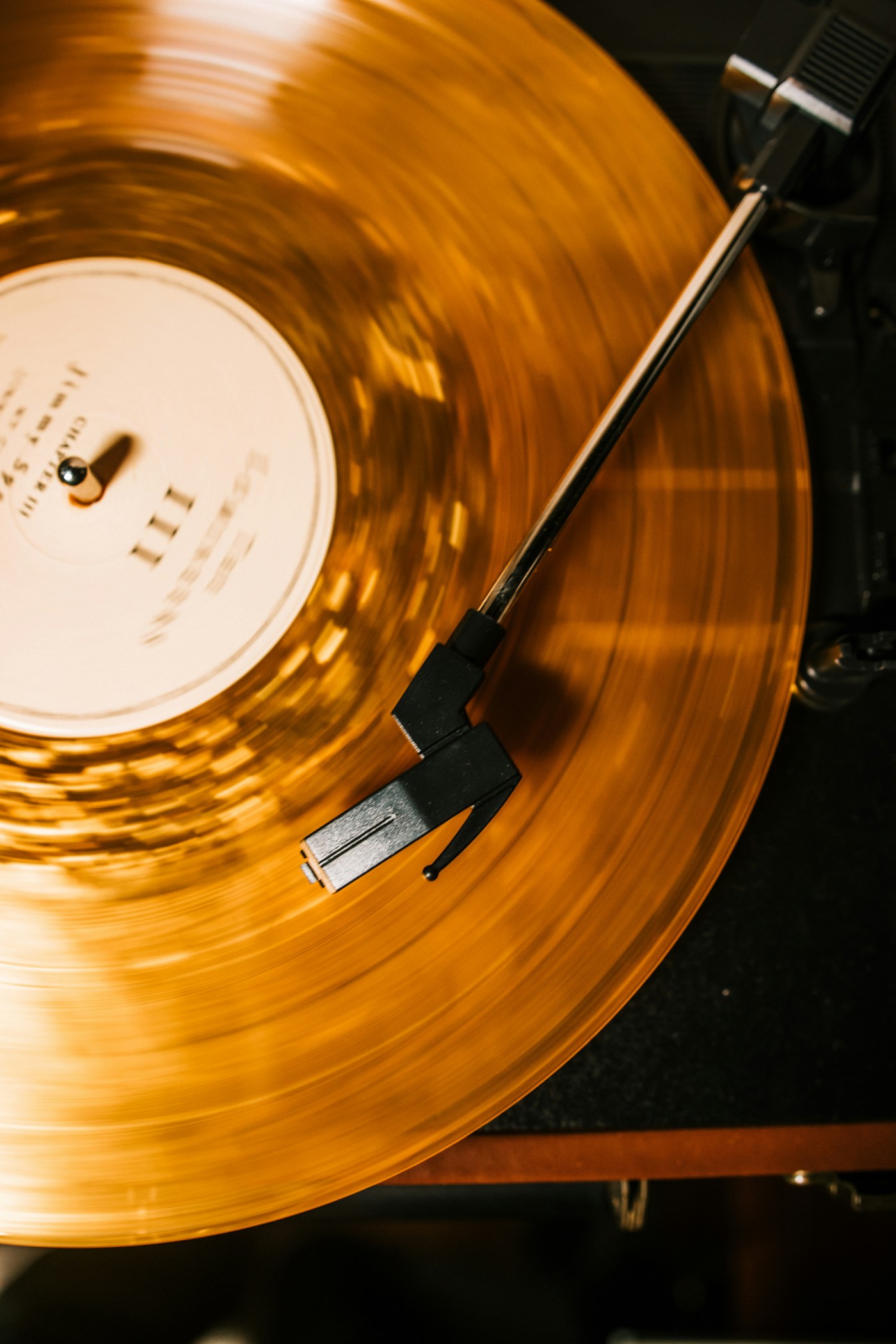
Perhaps that is why personal records still hold a certain nostalgic allure over Spotify listening. If you’re the one putting on a record, you’re more aware of where a song you’re listening to comes from.
Similarly when you read a book and pick up an idea from that experience, you will likely remember that idea in part because of where you got it from. In other words, you’ll remember the information alongside the “discovery moment” and that memory makes the new information stick more easily, am I right?
Can you vouch for this being true for you too?
Therefore, I am writing The W | EDU to unpack three hunches:
- One – consider the source: learning from source material (ie learning something by directly engaging with the author of the material) makes you appreciate new information/ideas more
- Two – find it for yourself: learning that’s connected to a “moment of discovery” makes you value that new information/idea more
- Three – because it matters to me: Learning tied to your personal tastes and interests makes you value and remember new information/ideas more
I am also writing this newsletter because I am both fascinated and terrified by the implications of learning with AI and wondering if AI can in fact elevate life-long learning (in the context of academics, to professions, to self interests) if approached with the above hunches in mind.
Image: Jakob Rosen, Upsplash

